


The hidden psychological effects of gambling on decision-making processes
The Nature of Decision-Making in Gambling
Decision-making in gambling is often impulsive and driven by emotional responses rather than rational thought. Gamblers frequently rely on heuristic cues, such as patterns or trends, that are not statistically valid. This reliance on subjective impressions can lead to poor decisions, causing players to underestimate the risks involved. For instance, the allure of winning can overshadow the reality of long-term losses, pushing individuals to gamble more than they intended. Many players are now exploring online options, such as katanaspin-official.uk, which provide convenient access to thousands of games.
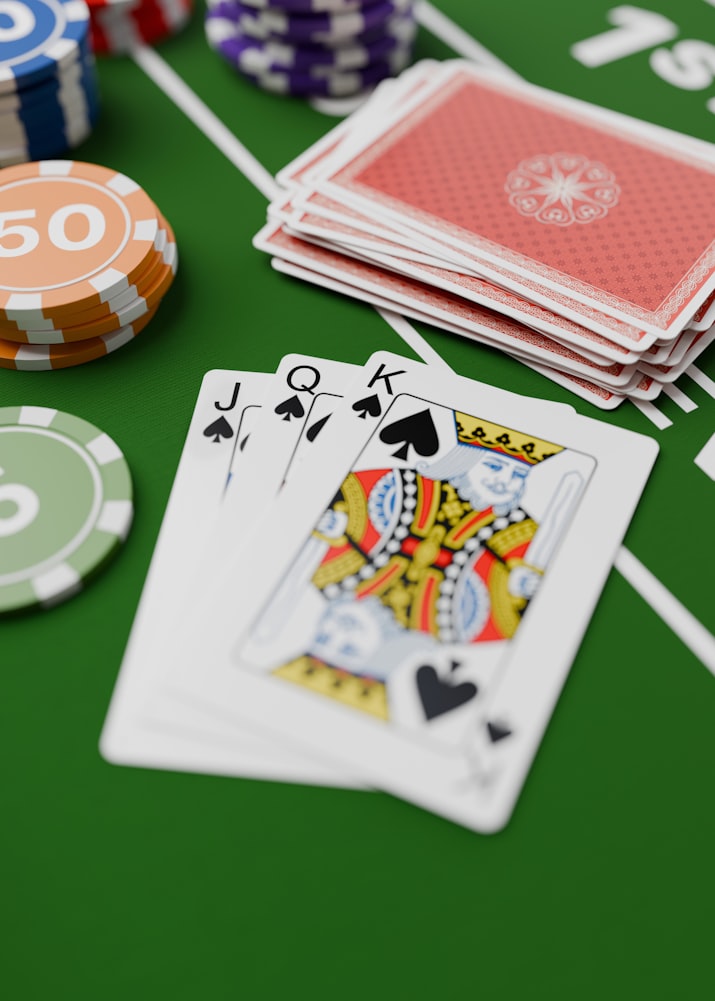
Moreover, the environment in which gambling takes place—be it an online platform or a physical casino—plays a critical role in shaping decisions. Bright lights, enticing sounds, and a general atmosphere of excitement can skew perception, making it difficult to think critically. This sensory overload can create a sense of urgency and disorientation, further impairing the gambler’s ability to make rational choices. As a result, the decision-making process becomes entwined with psychological manipulation.
The normalization of gambling in various societies also affects decision-making. Individuals may view gambling as a common pastime, blurring the lines between entertainment and risk. This mindset can lead to habitual gambling behavior, as individuals rationalize their decisions with the belief that they will eventually win. Thus, the psychological effects are compounded as people begin to see themselves as strategic players, overlooking the reality of odds and probabilities in favor of an optimistic outlook.
The Role of Cognitive Biases
Cognitive biases significantly influence decision-making in gambling scenarios. One prevalent bias is the “gambler’s fallacy,” where individuals believe that past events affect future outcomes, despite the independent nature of each gamble. For example, a gambler may think that after a series of losses, a win is “due.” This mindset can lead to continued play, even when odds remain unfavorable. Cognitive biases distort reality, causing players to make decisions that conflict with statistical reasoning.
Another critical bias is “confirmation bias,” where individuals favor information that supports their pre-existing beliefs. Gamblers may focus on wins while ignoring losses, creating an illusion of success. This selective memory can reinforce gambling behavior, as individuals convince themselves that they are skilled players. The psychological effects of these biases contribute to the inability to assess risk accurately, making it difficult to stop when one should.
The effects of these cognitive biases extend beyond individual gambling scenarios. They can create a culture of misinformed risk-taking, where groupthink leads people to make collective decisions based on flawed perceptions. This phenomenon can be particularly pronounced in social gambling environments, where peers may inadvertently encourage each other to take undue risks. Thus, cognitive biases can not only affect the individual but also influence group dynamics in gambling contexts.
The Impact of Emotional States
Emotional states can dramatically influence decision-making processes in gambling. People often gamble as a means to escape negative emotions such as stress, anxiety, or depression. In these instances, the decision to gamble is not based on rational thought but rather as an attempt to achieve a fleeting sense of relief or euphoria. This escape can lead to compulsive gambling, where individuals chase losses and become trapped in a cycle of emotional highs and lows.
On the flip side, positive emotions can also lead to poor decision-making in gambling. A winning streak may induce overconfidence, causing gamblers to place higher bets than they normally would. The euphoria of a win can cloud judgment, leading to an escalation of bets without careful consideration of the potential for losses. This psychological effect is known as the “winners’ curse,” where individuals assume that their luck will continue, often leading to greater losses.
Additionally, the social aspect of gambling adds another layer to emotional influences. Gamblers often seek validation from their peers, which can amplify emotional responses. Winning can lead to social approval, while losing may trigger feelings of shame or embarrassment. The interplay of these emotions significantly impacts the decision-making process, making it challenging for individuals to recognize when they should take a step back.
The Long-Term Psychological Effects of Gambling
The long-term psychological effects of gambling can be profound, often leading to issues such as gambling addiction and other mental health disorders. As individuals continue to gamble, they may find it increasingly difficult to control their impulses, leading to detrimental consequences in their personal and professional lives. The compulsive need to gamble can overshadow other aspects of life, resulting in financial ruin and strained relationships.
Moreover, individuals who engage in frequent gambling may develop a skewed perception of risk and reward. The thrill associated with gambling can rewire their brain’s reward system, making it harder to find satisfaction in everyday activities. This addiction can create a cycle where the individual is driven to seek out gambling experiences to feel the same highs, further entrenching the negative psychological effects.
The stigmatization of gambling addiction can exacerbate these long-term effects, as individuals may feel isolated and unable to seek help. The societal perception that gambling is merely a form of entertainment can prevent individuals from recognizing their need for intervention. Understanding these psychological effects is essential for fostering an environment where individuals feel safe to seek help and address their gambling issues without fear of judgment.

Discovering Responsible Gaming at KatanaSpin
At KatanaSpin, understanding the psychological effects of gambling is integral to promoting responsible gaming. The platform emphasizes the importance of making informed decisions, providing players with tools to manage their gambling behavior. With a wide variety of games and betting options, it encourages players to engage in gaming responsibly and thoughtfully.
KatanaSpin also offers resources and support for individuals who may be struggling with their gambling habits. Through educational content, players are informed about the risks involved and the importance of setting limits. This focus on player well-being ensures that KatanaSpin is not just a gaming platform but also a supportive community for those seeking to enjoy gambling safely.
By fostering an awareness of the psychological effects tied to gambling, KatanaSpin is dedicated to creating a healthier gaming environment. The platform’s commitment to responsible gaming reflects a broader understanding of the importance of mental health in the gambling community, offering players a space where fun and safety coexist harmoniously.